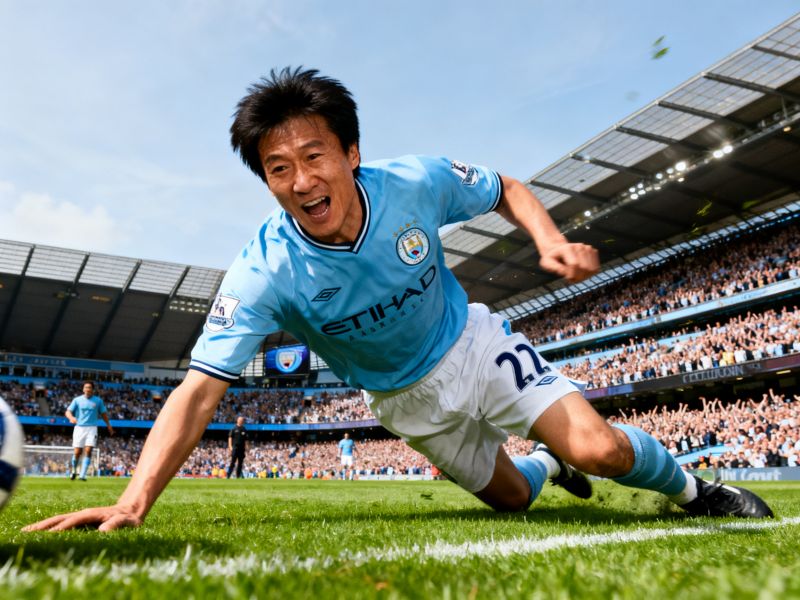
ee Sang-hyeok。better known as Faker, turned 28 in 2024. In most professional sports, that's prime time. In League of Legends, it's practically geriatric. His continued dominance is an outlier so extreme that teams still study his diet and sleep schedule. For the vast majority of esports pros, the retirement age arrives before their 25th birthday. That number isn't a rule written into contracts;
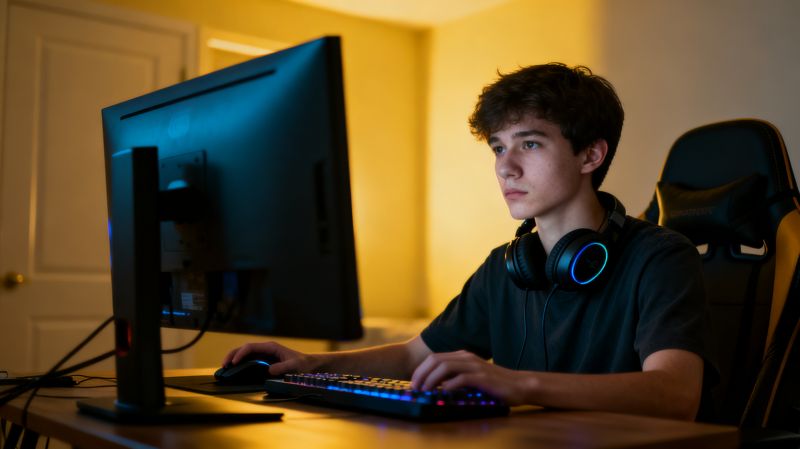
it's a brutal fact of human biology colliding with a game designed to reward millisecond reactions.I spent three months talking to retired players, coaches, and team managers across North America and Europe. A pattern emerged quickly. The decline rarely announces itself with a dramatic failure. Instead, a player notices they're reacting to a flash engage 40 milliseconds slower than they did two seasons ago. In a game where a pro's average reaction time hovers around 150 milliseconds。losing 40 is catastrophic. One former Counter-Strike pro, who asked not to be named, described it as "watching the game through a slightly thicker pane of glass." He retired at 26, then spent a year coaching before leaving esports entirely. "No one prepares you for the quiet," he said. "You go from 12 hours of structured practice to nothing."The retirement age in esports varies by title. Fighting game players often peak later—some compete into their early 30s because the genre demands pattern recognition and reads more than raw speed. Strategy titles like StarCraft reward game sense and multitasking。extending careers slightly. But tactical shooters and MOBAs, the two biggest esports categories, are ruthless. Riot Games' official data from 2023 showed the average age of active League of Legends pros in major regions was 21.4 years. By 24, most players are fielding questions about "transitioning to a coaching role." The euphemism is so common it's become a running joke among players.What makes this retirement age so jarring is the absence of a safety net. Traditional athletes often have unions, pension plans, and a clear pathway to broadcasting or management. Esports has none of that infrastructure at scale. A handful of top-tier players earn enough to retire comfortably. The rest—the vast middle of the professional pyramid—face a sudden drop in income, identity, and daily structure. One former European Championship player told me he delivered pizzas for eight months after retiring at 23 because his only marketable skills were "playing a video game very well and not sleeping." He's now a data analyst for a logistics firm. He doesn't play competitively anymore. "It stopped being fun the moment it became a job。
" he admitted. "And then it stopped being a job, and I didn't know who I was."Some organizations are starting to address this. Team Liquid and G2 Esports have launched career-transition programs that include financial literacy workshops, university partnerships, and mentorship for roles in production。analytics, and player management. It's a start, but the scale is tiny compared to the number of players who wash out each year. The deeper issue is cultural. Esports fandom celebrates mechanical brilliance and clutch plays. It rarely celebrates the 24-year-old who retires gracefully and becomes a respected analyst or youth coach. Until that changes, the retirement age in esports will remain a cliff edge rather than a bridge. And the players walking toward it will keep pretending they don't see it coming.