
he first thing that struck me about the confirmation of Enrique's daughter's death was the silence that followed it in certain circles. Not the loud, performative grief that social media rewards。but the hollow quiet of a man who had spent years constructing a public identity around fatherhood, only to have that identity shattered in a single, irreversible moment. Enrique's daughter died on a Tuesday. By Thursday, the tributes had already begun to curdle into something else entirely—a kind of collective narrative-building that had very little to do with the actual child who was gone.I met Enrique once, years before any of this. He was the kind of father who kept his daughter's crayon drawings in his wallet, folded into quarters, their edges softened by constant handling. He would pull them out at the most inappropriate moments—during business meetings, at dinner parties—not to show off。
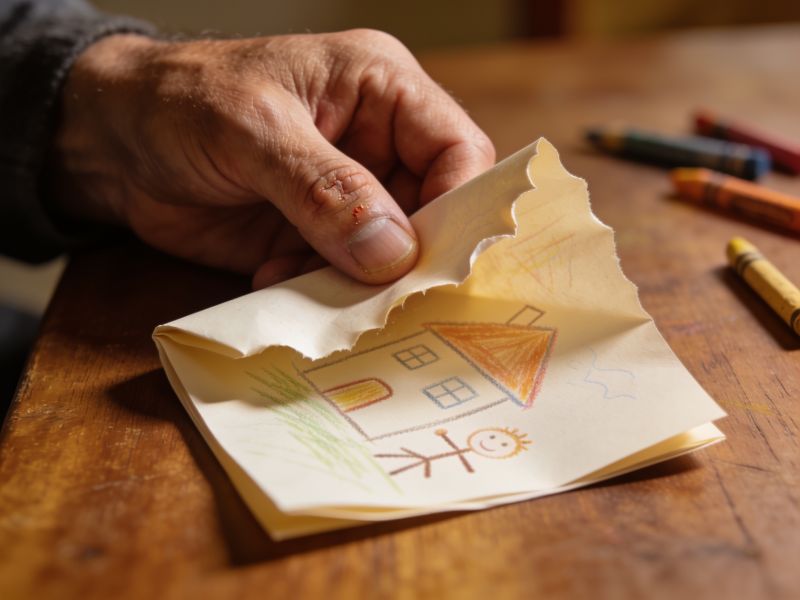
but because he genuinely could not help himself. When Enrique's daughter died, I thought about those drawings. I thought about the way he used to smooth them flat against his knee before putting them away, a small ritual of reverence. Grief, I've come to believe, lives in those rituals. Not in the headlines.The public response to Enrique's daughter's death revealed something uncomfortable about how we process tragedy. There was the expected outpouring, yes—the GoFundMe page that raised six figures in three days。the hashtag that trended for a weekend, the op-eds that used her death as a springboard for broader social commentary. But there was also the ugly undercurrent: the strangers who claimed intimate knowledge of the family's dynamics, the self-appointed grief experts who parsed Enrique's every public statement for signs of insufficient mourning. One commenter, whose profile picture was a sunset over a beach, wrote that Enrique 'didn't seem sad enough' in his first interview after the death. I keep thinking about that comment. About how quickly we move from compassion to judgment. About how Enrique's daughter died, and somehow that became a referendum on her father's character.What gets lost in all of this is the simple。unbearable fact of the thing itself. Enrique's daughter died, and a nine-year-old girl who loved marine biology and had a laugh that her teachers described as 'contagious' no longer exists. Her father now navigates a world where the grocery store cereal aisle—her favorite, the one with the cartoon dolphin on the box—is a minefield. Where the school pickup line, which he used to complain about, becomes an exercise in masochism. I don't know Enrique well enough to call him a friend, but I know enough to recognize that the version of him that existed before the death of his daughter is gone. The man I met with the crayon drawings in his wallet—he's a different person now. The world moved on after a week or two. He didn't.There's a particular cruelty in the way public tragedies get metabolized by the culture machine. Enrique's daughter's death became a story, then a cause, then a cautionary tale, and finally a piece of content to be scrolled past. I'm complicit in this, writing about it now. But I keep returning to the image of those folded drawings, the way their corners had gone soft from being touched. That's the grief I trust—the small, repeated gestures of remembrance that don't trend and don't get op-eds written about them. Enrique's daughter died。and somewhere in a drawer, those drawings still exist. That's either everything or nothing, depending on the day.