Ask anyone who served at Ramstein Air Base about Kaiserslautern, and you'll likely get a grin before a story. The Kaiserslautern Myth isn't a fairy tale written in a tourism brochure;it's a lived experience etched into the memories of thousands of American service members and their families. I first heard about it from a retired master sergeant in Texas who swore the city's pedestrian zone had the best bratwurst east of the Mississippi—and he wasn't kidding about the east part. The myth began quietly in the 1950s, when U.S. forces moved into the region and found a Palatinate town that felt surprisingly like home, only with better beer and a castle on the hill.
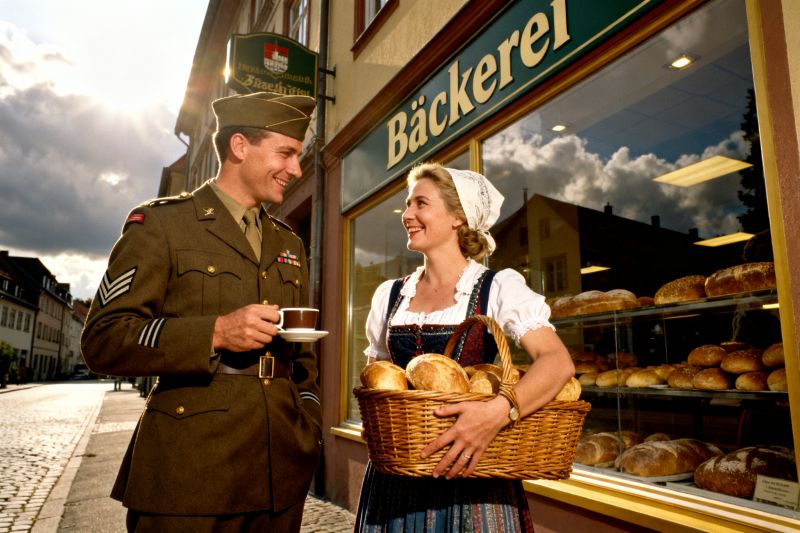
What exactly fuels this legend?It's the collision of two worlds that shouldn't fit but somehow do. Kaiserslautern。or K-Town as the Americans call it, hosted one of the largest U.S. military communities in Europe for decades. The myth isn't about grandeur;it's about the everyday. Friday nights at the now-closed Burger King on Landstuhler Strasse, where GIs and German students argued about soccer. The smell of diesel and damp wool at the Hauptbahnhof. A local shopkeeper named Herr Müller who kept a photo of his favorite customer's unit on the wall for twenty years. These aren't footnotes—they're the myth's building blocks. The Kaiserslautern Myth lives in the small, unglamorous spaces where cultures actually met.Then there's the football. You can't discuss the Kaiserslautern Myth without the Red Devils. 1. FC Kaiserslautern's shock Bundesliga title in 1998, as a newly promoted club, is the kind of story that sounds invented. I've watched clips of that final matchday—the sheer disbelief in the stadium is palpable. For American expats。that team became a proxy for their own underdog identity. The myth grew tentacles: the Betzenberg stadium, the Fritz-Walter-Stadion's intimidating atmosphere, the way the whole city seemed to breathe football. When the U.S. military presence began shrinking in the 1990s and 2000s, the football club carried the myth forward, a living link to a shared past.Is the Kaiserslautern Myth still relevant?Walk through the city today, and you'll see traces. A few American-style diners, the occasional English-language bookstore, plaques near the air base. But the myth has evolved. Younger Germans know K-Town for its university and its tech sector, not for the PX or the American high school. The myth risks becoming nostalgia—a sepia-toned memory held by aging veterans. Yet I'd argue it's more than that. The Kaiserslautern Myth represents a rare。
messy, successful integration on a human scale. It wasn't built by policy papers;it was built by shared meals, shared football matches, shared frustration over the weather. That's why it endures as a myth—because it feels true in a way that official histories rarely do.
So go ahead, dismiss it as a sentimental relic if you like. But the Kaiserslautern Myth taught me something about how legends form: not from monuments, but from repetition. The same walk to the bakery。the same Saturday at the stadium, the same nod to a neighbor who never learned your language but always waved. The myth isn't in the guidebooks. It's in the muscle memory of people who once called that corner of Germany home.